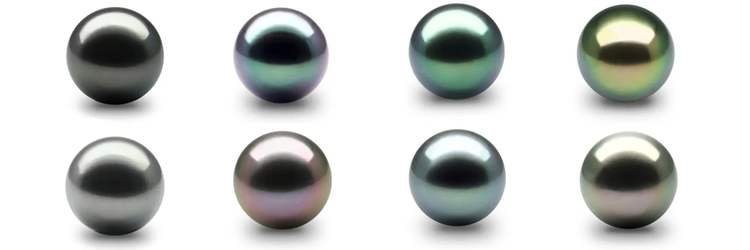
There’s a certain mystique that clings to black pearls, a quiet allure unlike any other gem. Far from being merely "black," these organic treasures whisper tales of the deep ocean, shimmering with a spectrum of dark hues and vibrant overtones that can captivate anyone who beholds them. What exactly gives them this enigmatic charm, and where do these natural wonders truly come from? Journey with us as we dive into the fascinating world of black pearls, uncovering their diverse types and the unique origins that make each one a masterpiece of nature.
At a Glance: What You’ll Discover About Black Pearls
- Not Just Black: Black pearls display a rich palette, from silver and grey to deep green, blue, purple, and even true black, often with shimmering overtone colors.
- The Pinctada margaritifera Oyster: The primary source mollusk for commercially grown black pearls, predominantly found in French Polynesia.
- Key Origins: French Polynesia (home of the famous Tahitian pearl), the Cook Islands, and parts of Australia are leading producers.
- Nature's Unique Signatures: Luster, surface quality, size, and shape all contribute to a pearl’s individual character and value.
- A Rich History: Black pearls have been revered as symbols of wealth, wisdom, and mystery across diverse cultures for centuries.
- Modern Appeal: Increasing demand from younger generations seeking unique, ethically sourced, and sustainable gemstones.
- Care is Key: Simple cleaning and proper storage ensure your black pearls maintain their timeless beauty for generations.
The Enigma of Black Pearls: What Are They Really?
Imagine a gem born not from the fiery depths of the earth, but from the serene, warm waters of the ocean. That's the black pearl. These organic gemstones form within certain species of mollusks, most notably the Pinctada margaritifera oyster, often referred to as the black-lipped oyster. While often called "black," this term is a delightful misnomer, hinting at their dark nature without fully capturing the incredible range of colors they possess.
Historically, natural black pearls were incredibly rare, earning them titles like the "pearl of queens" and the "queen of pearls." They were once considered semi-precious, a testament to their unique organic genesis and their historical scarcity. Today, thanks to advances in aquaculture, they are more accessible, though still highly prized for their unparalleled beauty and the sophisticated individuality they bring to jewelry.
Nature's Palette: Decoding the Diverse Types of Black Pearls
When you hear "black pearl," don't limit your imagination to just one shade. The beauty of these pearls lies in their profound color variability, making each one a distinctive marvel. These characteristics aren't just aesthetic; they are key indicators of a pearl's type, origin, and value.
A Spectrum of Hues: Beyond Basic Black
The color of a black pearl is far more complex than a simple descriptor. It's a symphony of body colors and iridescent overtones.
- Body Colors: These are the base colors you see, ranging from light silver and various shades of grey to dark charcoal, deep green, blue, and rich violet. True, absolute black pearls are exceptionally rare, making them highly coveted.
- Overtone Colors: This is where the magic truly happens. Overtones are secondary colors that shimmer on the pearl's surface, shifting as light hits it. Common overtones include peacock (a mix of green, purple, and gold, often considered the most desirable), blue-green, silver, rose, and aubergine (eggplant purple). These overtone colors are largely influenced by the environment the mollusk grew in, including water salinity and mineral content.
Luster: The Reflective Sheen That Hypnotizes
Luster refers to the pearl’s ability to reflect light from its surface and within its nacre layers. A high-luster pearl appears almost metallic, with sharp, mirror-like reflections. It’s what gives a black pearl its captivating glow. This remarkable reflective quality is a direct result of the nacre’s thickness and arrangement – the more uniform and translucent the layers, the higher the luster. It’s the visual "pop" that truly distinguishes a beautiful pearl.
Surface Texture: Nature's Unique Signatures
Like fingerprints, no two pearls are exactly alike. While gem-quality pearls strive for a smooth surface, natural blemishes are common and often add unique character. These can include small indentations, ripples, or faint spots. A pearl with a completely flawless surface is exceedingly rare and commands a premium price. However, a minor blemish on a pearl with exceptional luster and color is often embraced as a mark of its natural origin.
Size and Shape: From Petite to Grand, Round to Baroque
Black pearls come in a fascinating array of sizes and shapes.
- Size: Tahitian black pearls, for instance, typically range from 8mm to 18mm, with larger pearls being less common and therefore more valuable. The size is dependent on the age of the mollusk and how long the pearl has been cultivated.
- Shape: While perfectly round pearls are the most desired and command the highest prices due to their rarity, many black pearls exhibit distinctive baroque shapes. These irregular, abstract forms have gained immense popularity for their individuality and artistic appeal. Other shapes include oval, button, tear-drop, and semi-baroque. Each shape offers a unique aesthetic, allowing for diverse jewelry designs.
From Ocean Depths: The Origins of Black Pearls
The geographical origins of black pearls play a significant role in their characteristics and unique beauty. While various locations boast these dark gems, a few stand out as paramount sources, each contributing distinct qualities to the market.
French Polynesia: The Heart of the Tahitian Pearl
When most people speak of black pearls, they are almost certainly referring to Tahitian pearls, which originate in French Polynesia. This archipelago, with its pristine lagoons and warm, nutrient-rich waters, is the paramount source of these coveted gems. The Pinctada margaritifera oyster thrives here, producing pearls renowned for their rich, deep hues—from greens and blues to violets and the sought-after peacock overtones.
Tahiti itself serves as the main trading post for these pearls, which are cultivated across numerous atolls and islands throughout French Polynesia. The industry here is a cornerstone of the local economy, though it faces ongoing environmental challenges that necessitate careful monitoring and sustainable practices to protect its precious marine ecosystems.
The Cook Islands: Sustainable Practices, Unique Gems
Just west of French Polynesia, the Cook Islands also produce exquisite black pearls. While the volumes are more limited than in French Polynesia, the Cook Islands emphasize sustainable farming techniques. This focus on environmental stewardship ensures that their pearl production remains in harmony with the delicate ocean environment. Pearls from the Cook Islands often possess unique surface qualities and color variations, making them highly desirable for those seeking ethically sourced and distinct pieces.
Australia (Broome): Larger Pearls with Distinct Character
While Australia is best known for its magnificent white and golden South Sea pearls, its northern waters, particularly around Broome, also yield black pearls. These Australian black pearls are often notably larger than their Tahitian counterparts, sometimes exhibiting unique surface qualities and varied overtones. The Australian pearl industry adheres to rigorous quality controls, ensuring exceptional standards. However, availability can fluctuate seasonally, adding to their exclusivity.
The Craft of Creation: How Black Pearls Are Born
The formation of a black pearl is a marvel of nature, a testament to the mollusk's ability to heal and protect itself. Whether naturally occurring or cultivated, the underlying process is one of astonishing biological artistry.
The Mollusk: Pinctada margaritifera, the Black-Lipped Oyster
Central to commercial black pearl production is the Pinctada margaritifera oyster. This specific species is genetically predisposed to produce the dark pigments that give black pearls their distinctive body colors. The oyster's mantle tissue, which secretes the nacre, is responsible for the pearl's color. A small bead (nucleus) and a piece of mantle tissue from a donor oyster are carefully inserted into the host oyster during cultivation.
Nacre: The Mother-of-Pearl Magic
Once the nucleus is introduced (or a natural irritant lodges itself within the oyster), the mollusk begins to secrete layers of nacre around it. Nacre, also known as mother-of-pearl, is a crystalline substance composed primarily of aragonite, a form of calcium carbonate, and a protein called conchiolin. These layers are deposited in thin, overlapping sheets, creating the pearl's characteristic iridescence and luster. The thickness of these nacre layers directly correlates with the pearl's durability and overall appearance. Thicker nacre generally results in better luster and a more resilient pearl.
Environmental Factors: Nature's Influence on Quality
The health of the mollusk and the quality of the pearl it produces are profoundly influenced by environmental factors. Water salinity, temperature, and the local ecology of the lagoons play crucial roles. For example:
- Water Salinity: Variations in salt content can affect the mollusk's metabolism and nacre secretion.
- Temperature: Stable, warm temperatures are ideal for optimal nacre production.
- Local Ecology: The presence of specific trace elements and nutrients in the water can impact the pearl's color and luster.
Pearl farmers diligently monitor these conditions, as even slight changes can impact the final quality and appearance of the pearls, underscoring the delicate balance required for successful cultivation.
A Tapestry of Tales: Black Pearls Through History & Culture
For millennia, black pearls have transcended their role as mere adornments, weaving themselves into the fabric of human history, culture, and mythology. Their rarity and enigmatic beauty have long made them symbols of wealth, power, and mystery across the globe.
Ancient Legends and Powerful Symbolism
In the Pacific Islands and French Polynesia, black pearls were not just beautiful; they symbolized wealth, prestige, and power for leaders and chiefs. Legends abound, painting vivid pictures of their divine origins. One Polynesian tale speaks of the moon bathing the ocean, impregnating oysters with heavenly dew, giving birth to pearls with stunning blue, green, pink, and golden reflections. Another legend from Hawaiian mythology attributes their creation to the goddess Kanaloa, a deity associated with the ocean and creation.
In ancient Asian cultures, particularly China, black pearls were associated with profound wisdom and mystical power. Chinese legends linked them to a dragon's brain, signifying cunning, knowledge, and protection.
The ancient Greeks, Romans, and Persians also held black pearls in high regard. They believed pearls, including dark ones, were born from the meeting of a rainbow with the earth, with imperfections due to thunder. Some fascinating interpretations even suggested that white and pink pearls were Eve's tears, while darker pearls were Adam's tears, symbolizing deeper suffering and profound emotion.
In European history, black pearls represented mystery, allure, and sophistication, often adorning royalty and the elite, earning them the moniker "pearl of queens." Their scarcity only added to their desirability, making them a true mark of distinction.
Modern Interpretations: Individuality and Resilience
Today, black pearls continue to resonate with deep meaning. They are widely viewed as symbols of:
- Sophistication and Elegance: Their dark hues and shimmering overtones exude a timeless, refined beauty.
- Individuality: Each black pearl is unique in its color, overtone, and shape, appealing to those who value distinctiveness.
- Resilience and Courage: Emerging from the depths of the ocean, often through challenging conditions, they can symbolize strength and enduring beauty.
- Personal Journeys: Many find that the transformation of a simple irritant into a beautiful gem mirrors personal growth and life's unique path.
Whether rooted in ancient myth or contemporary style, the black pearl's cultural significance continues to evolve, reflecting its enduring power to inspire and captivate.
Navigating the Market: Value, Demand, and Ethical Choices
Understanding the market for black pearls involves appreciating their quality factors, price dynamics, shifting consumer demands, and the growing importance of ethical sourcing. These elements collectively determine both their monetary and perceived value.
What Makes a Black Pearl Valuable? The "4 Cs"
Just like diamonds, pearls are assessed by key quality factors, often referred to as the "4 Cs":
- Color: The body color and overtone combination are critical. Rare hues like peacock, deep green with rose overtones, or true absolute black fetch premium prices.
- Luster: The intensity and sharpness of the pearl's reflective sheen. High luster is paramount for value.
- Surface Quality: The fewer blemishes, spots, or imperfections on the surface, the higher the value. Flawless surfaces are exceedingly rare.
- Shape: Perfectly round pearls are the rarest and most valuable. Symmetrical drops, ovals, and buttons follow, with baroque shapes offering unique, artistic appeal at varying price points.
Other factors like size (larger pearls are rarer and more valuable, especially above 12-14mm) and nacre thickness (thicker nacre means more durability and better luster) also contribute significantly to a pearl's overall worth.
Market Dynamics: Shifting Tides of Demand
The demand for black pearls is experiencing an interesting shift. While historically coveted by traditional luxury buyers, there's a growing interest from millennials and Gen Z. This younger demographic is drawn to black pearls for several reasons:
- Unique Aesthetics: They offer a distinctive look that stands apart from traditional white pearls.
- Individuality: Their diverse colors and shapes resonate with a desire for personalized expression.
- Ethical Sourcing: A growing awareness of sustainable and ethically sourced gemstones significantly influences purchasing decisions. Consumers increasingly seek transparency regarding origin and farming practices.
This evolving consumer base is driving market prices, particularly for unique and high-quality specimens, and for pearls from sources beyond traditional Tahitian origins. For those looking to delve deeper into specific rare black pearls, you might want to Explore the Black Black Pearl, a category known for its unparalleled depth of color.
The Role of Intermediaries and Authentication
Purchasing black pearls often involves market intermediaries such as wholesalers, retailers, and online platforms. These entities facilitate sales, provide expert knowledge, and offer certifications that attest to a pearl's authenticity and quality. While they add a markup, reputable intermediaries offer crucial services:
- Expertise: Guiding buyers through the complexities of pearl characteristics.
- Certification: Providing gemological reports from independent laboratories (like GIA, GRS) that verify origin, treatment, and quality.
- Trust: Ensuring the pearl you purchase is genuine and accurately represented.
For significant investments, authentication and appraisal by a reputable gemological laboratory and certified gemologist are fundamental. This ensures both authenticity and an accurate market valuation, protecting your investment.
Investment Value: Beyond Beauty
Black pearls offer significant investment value, especially high-quality pieces with rare colors or exceptional luster. While subject to market trends influenced by fashion and consumer preferences, their natural rarity, particularly for flawless, large, round pearls, ensures enduring value. Niche markets for unique colors and baroque shapes are also growing, attracting collectors and designers alike.
Treasuring Your Gem: Essential Care for Black Pearls
Black pearls, despite their robust appearance, are organic gems and require gentle care to maintain their radiant luster and integrity. Proper care ensures your investment remains beautiful for generations.
Cleaning: A Gentle Touch
Pearls are relatively soft compared to other gemstones, and their nacre layers can be affected by harsh chemicals.
- After Every Wear: Gently wipe your black pearls with a soft, lint-free cloth. This removes body oils, perspiration, and cosmetics that can dull their luster over time.
- Deeper Cleaning (Occasional): If your pearls appear dull or accumulate grime, use a soft brush (like a makeup brush) with a mild soap solution (non-detergent) in lukewarm water. Gently clean the pearls, rinse them thoroughly under clean, lukewarm water, and then pat them completely dry with a soft cloth. Ensure they are fully dry before storage to prevent moisture damage.
- What to Avoid: Absolutely avoid harsh chemicals such as bleach, ammonia, vinegar, ultrasonic cleaners, and abrasive cleaners. These can strip the nacre, permanently damaging the pearl's luster and surface. Also, avoid showering, swimming, or exercising with your pearls on, as chlorine, saltwater, and sweat can be detrimental.
Storage: Protecting Their Beauty
How you store your black pearls is as important as how you clean them.
- Soft Sanctuary: Always store your black pearls in a soft fabric pouch, a lined jewelry box, or wrapped in a soft cloth. This prevents them from being scratched by harder gemstones or metals.
- Separate and Safe: Keep them separate from other jewelry. Harder metals and gemstones can easily scratch a pearl's delicate nacre surface.
- Avoid Extremes: Store pearls away from direct sunlight, excessive heat, and extreme humidity. These conditions can dry out the pearls, leading to cracking or dulling of their luster. Humidity can also encourage the breakdown of the organic materials in the nacre.
- A Breath of Air: Pearls need a bit of humidity. Wearing them regularly actually helps, as your body's natural oils contribute to their luster. If stored for very long periods, ensure they aren't in an overly dry environment.
By following these simple care instructions, you can preserve the natural beauty and captivating allure of your black pearls for a lifetime and beyond.
Beyond the Horizon: The Future of Black Pearls
The journey of black pearls, from ocean depths to adornment, is far from over. The future of these enigmatic gems in the jewelry market is being shaped by dynamic trends and exciting innovations.
Sustainability: A Core Demand
The growing demand for ethically and sustainably sourced gemstones is profoundly impacting the black pearl industry. Consumers are increasingly conscious of the environmental footprint and social impact of their purchases. This drives a focus on:
- Eco-friendly farming practices: Minimizing environmental disruption in lagoons.
- Traceability: Providing transparency about the pearl's journey from oyster to consumer.
- Fair labor practices: Ensuring equitable treatment for pearl farmers and workers.
This commitment to sustainability will likely see more certification programs and greater transparency throughout the supply chain, enhancing the perceived value and desirability of black pearls.
Personalized Jewelry: Tailoring the Treasure
Black pearls' inherent uniqueness—their diverse colors, overtones, and baroque shapes—make them perfectly adaptable for personalized and custom jewelry designs. This aligns with a significant trend in the luxury market where consumers seek pieces that tell a personal story or reflect their individual style. Designers are leveraging the versatility of black pearls to create bespoke engagement rings, unique pendants, and avant-garde statement pieces.
Blending Vintage and Modern Aesthetics
Black pearls effortlessly bridge the gap between vintage charm and modern sophistication. Their classic appeal allows them to be incorporated into timeless designs, while their unique colors and organic shapes also lend themselves to contemporary, edgy aesthetics. This versatility ensures their continued relevance across diverse tastes and fashion cycles, appealing to both those who appreciate traditional elegance and those seeking a modern twist.
Innovations in Design and Craftsmanship
The jewelry industry's embrace of technology and creativity is also influencing the black pearl market:
- 3D Printing: This technology allows for intricate and complex settings that perfectly cradle the unique shapes of baroque pearls, creating truly one-of-a-kind designs.
- Eco-friendly Materials: The incorporation of recycled metals and responsibly sourced accent stones complements the sustainable narrative of black pearls.
- Cultural Fusion: Designers are increasingly blending cultural influences in their creations, resulting in pieces that tell global stories through the black pearl.
- Potential for Interactive Jewelry: While still nascent, the concept of interactive or transformative jewelry could offer new ways to showcase the chameleon-like qualities of black pearls, with designs that allow for color variations or multi-wear options.
Your Journey into Black Pearls: Final Thoughts and Next Steps
The world of black pearls is one of profound beauty, rich history, and intricate natural processes. From the depths of French Polynesian lagoons to the skilled hands of jewelers, each pearl carries a story—a testament to the Pinctada margaritifera oyster and the delicate balance of its ocean home. These gems are more than just adornments; they are symbols of individuality, resilience, and the earth's enduring artistry.
Whether you're drawn to their deep, mysterious hues, their shimmering overtones, or their storied past, understanding the types and origins of black pearls empowers you to make informed choices. Seek out reputable dealers, ask about their sourcing, and appreciate the nuances that make each pearl unique. Embrace the journey, and allow the captivating allure of black pearls to enrich your own personal story. With proper care, these timeless treasures will continue to inspire awe and elegance for generations to come.